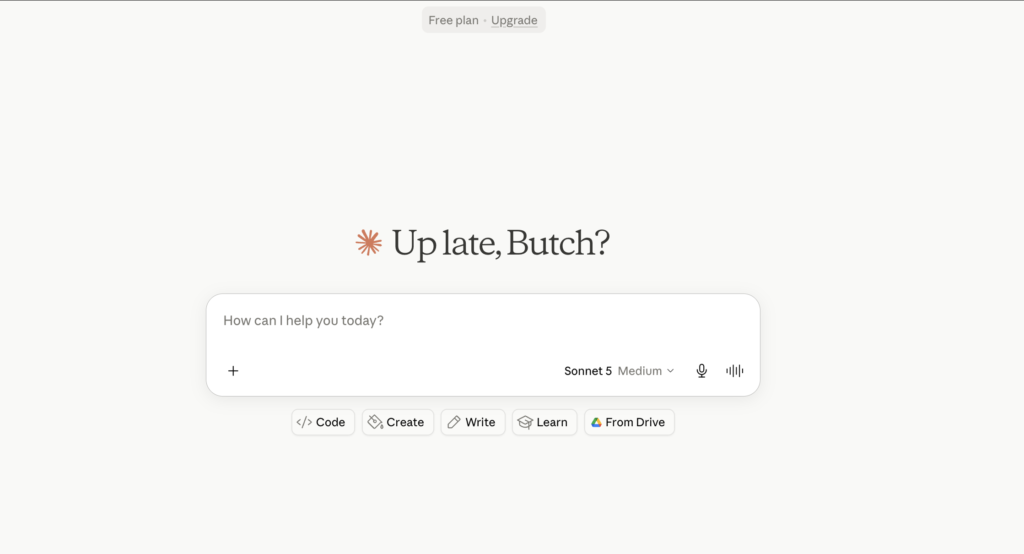
I get asked a lot how I manage SEO, web dev, content, and client comms as a one-man operation. Short answer: I don’t do it alone. Claude (the AI, not a co-founder I’m hiding) has become part of my actual workflow — not a gimmick, not a “look I used AI” flex. A tool I use every day to ship faster without cutting corners.
Here’s the real breakdown.
Code I don’t have to babysit
When I’m building out custom sections for client sites — think animated hero blocks, 3D hover cards, scroll-driven interactions — I don’t start from a blank file.
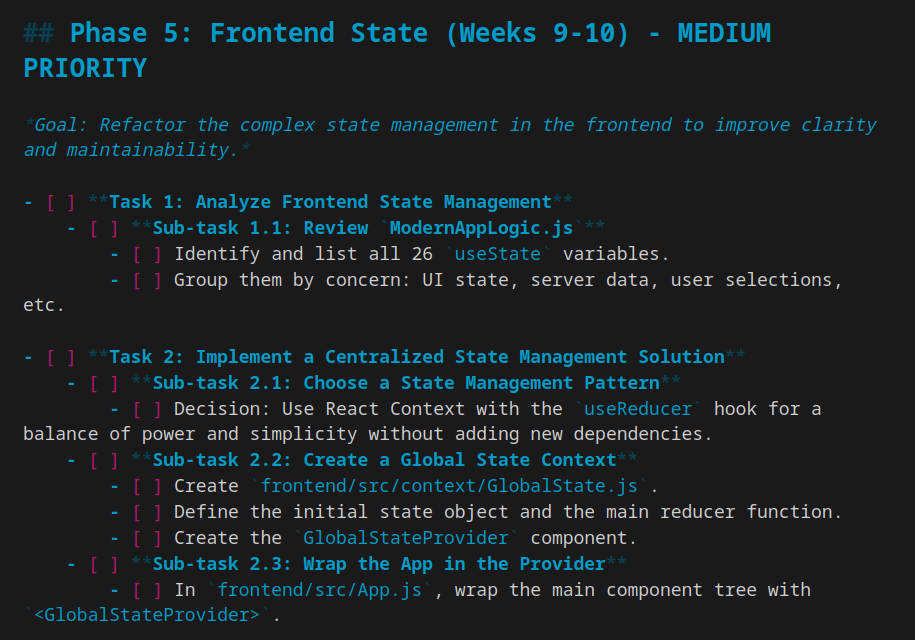
- Describe it, get a draft — I explain what I want, get working code back, then spend my time refining instead of scaffolding.
- Hours back every week — no more burning half a day on boilerplate that should’ve taken twenty minutes.
- Not “AI wrote my website” — it’s more like having a fast junior dev who never gets tired of rewriting the same CSS reset until it stops fighting with Elementor’s theme styles.
Case studies that don’t sound like everyone else’s
Every case study I write follows the same skeleton — client overview, strategy, results, takeaways — but it can’t feel templated or the client (and their prospects reading it) will smell it immediately.
- Pressure-testing structure — making sure the narrative actually builds instead of just listing facts.
- Tightening language — cutting the filler that makes case studies feel like every other case study online.
- The wins stay real — Claude sharpens the writing; it doesn’t invent the results.
Killing my own blind spots
The most useful thing Claude does for me isn’t generation — it’s the audit.
- The gut-check question — “does this read like a web developer’s portfolio or a marketer’s?” Half the time the answer stings a little.
- Branding misalignment — caught inconsistent tone and copy that technically made sense but didn’t sell anything.
- A second set of eyes — the kind you don’t have when you’re a one-person shop.
Automation that doesn’t require a dev team
Quote generation, PDF delivery, email formatting — stuff that used to mean hiring someone or losing a weekend to Apps Script docs.
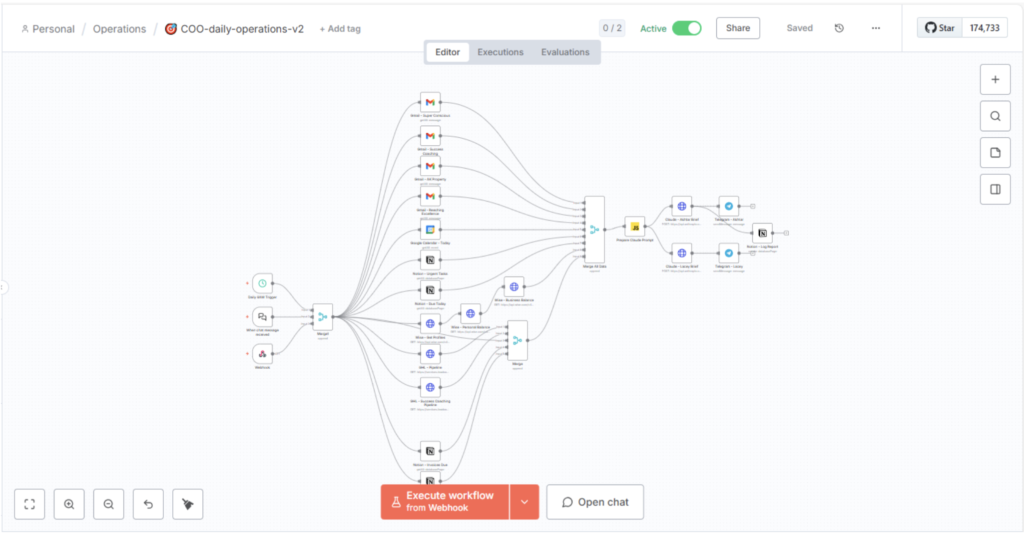
- Built and debugged in an afternoon — with Claude walking through the logic step by step.
- Real leverage — small teams (of one) doing what used to take five people.
SEO without the guesswork
SEO work used to mean fifteen browser tabs — keyword tools, competitor sites, forum threads about algorithm updates that may or may not still be true.
- Content briefs, structured fast — mapping search intent to page structure without the manual digging.
- Spotting gaps — finding what’s actually costing a client rankings in their existing content
- Strategy stays mine — Claude clears the noise; I still decide what matters.
Client communication that doesn’t eat my whole day
Freelancing means you’re also your own account manager. Every proposal, every scope clarification, every “here’s why this costs what it costs” is on you.
- First-pass drafts — proposals and emails don’t start from a blank cursor anymore.
- Always rewritten in my voice — nothing goes out that doesn’t sound like me.
A second opinion that doesn’t have an ego
When you work alone, there’s no teammate to bounce a half-formed idea off. No one in the room going “wait, why are we doing it this way?”
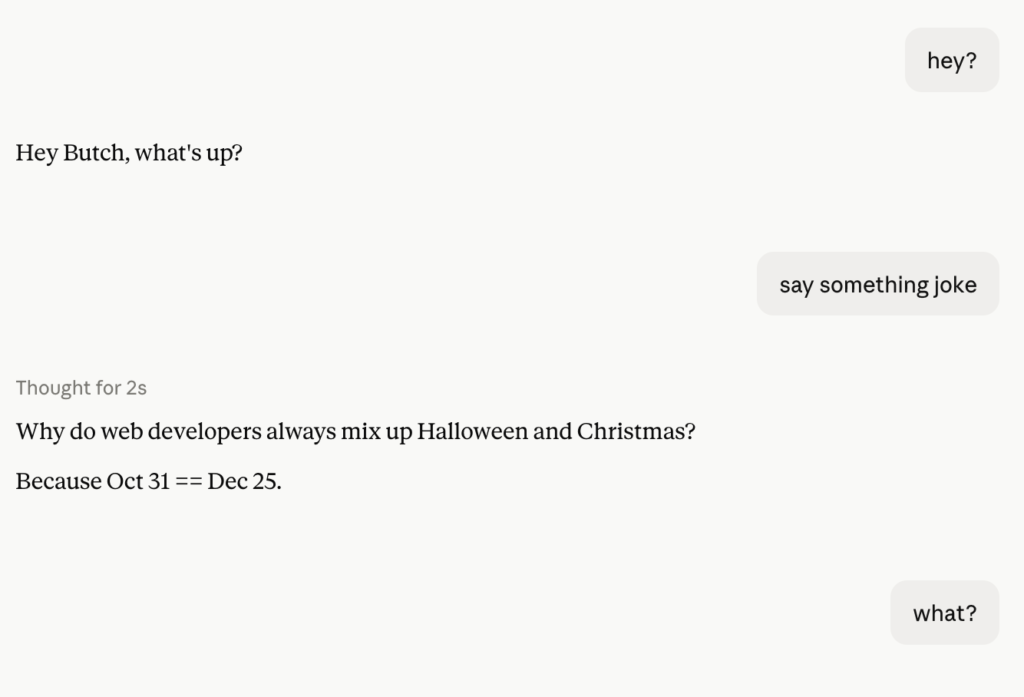
- Available at 11pm — when the idea hits and there’s no one else to ask.
- No defensiveness — it’ll tell you a headline is weak without softening it for your feelings.
What it hasn’t changed
- Accountability — it hasn’t changed who’s responsible when a client site breaks, a campaign underperforms, or a deadline slips.
- Taste — knowing what “good” actually looks like for a specific brand, a specific client, a specific audience is still a human judgment call.
- The risk — AI can draft, audit, and accelerate. It can’t decide what a brand should feel like or take the actual risk of putting work in front of a client with your name on it.
That distinction matters more the more you use these tools, not less. The freelancers who get replaced by AI aren’t the ones using it — they’re the ones who never developed the judgment AI can’t fake.
The honest take
AI doesn’t replace the work. It replaces the parts of the work that were never actually the job — the typing, the searching, the re-explaining. What’s left is strategy, taste, and judgment. That’s still on me. That’s still the thing clients are paying for.
If you’re a freelancer or small studio not using AI as part of your actual pipeline yet, you’re not being cautious — you’re just slower than the person you’re competing against for the same client.

Butch Orpeza is a Digital Marketing Specialist based in Davao City, Philippines, known for his expertise in web design, SEO optimization, social media management, and branding strategies. He helps businesses build strong online presences through creative campaigns, high-performing websites, and data-driven marketing.